


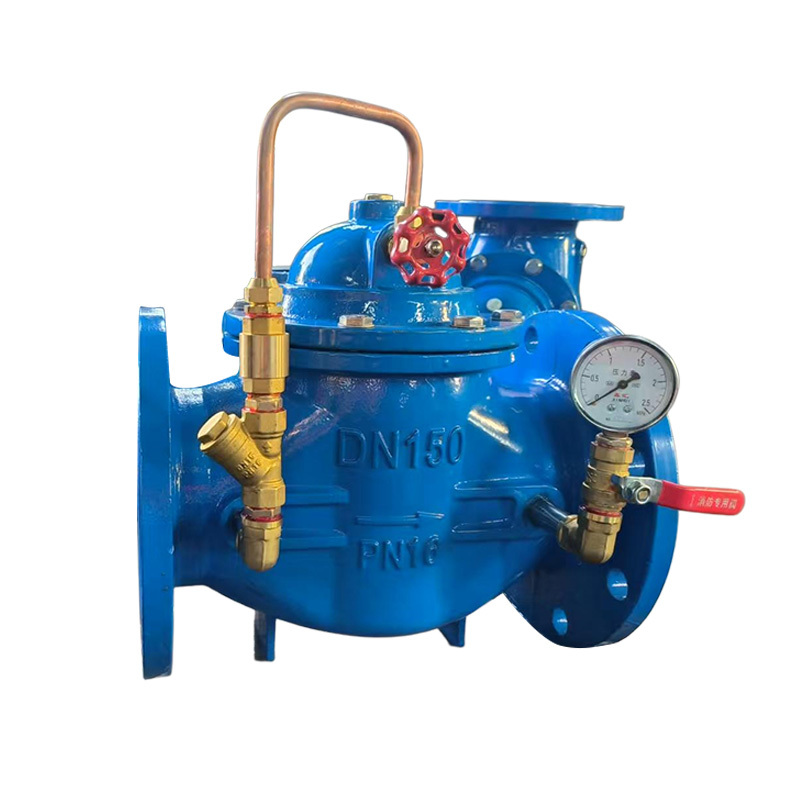
Holding Pressure Relief Valve
| Hydraulic control valve (small size) | Hydraulic control valve (medium) | ||||
| model | weight (kg) | length (mm) | model | weight (kg) | length (mm) |
| DN40 | 6.5 | 215 | DN50 | 7.5 | 215 |
| DN50 | 7 | 215 | DN65 | 10.5 | 230 |
| DN65 | 8 | 215 | DN80 | 12.5 | 250 |
| DN80 | 10.5 | 230 | DN100 | 17.5 | 285 |
| DN100 | 12.8 | 275 | DN125 | 17.7 | 304 |
| DN100 | 11 | 250 | DN150 | 28 | 360 |
| DN125 | 16.5 | 304 | DN200 | 52 | 430 |
| DN150 | 20.5 | 325 | DN100 | 19 | 285 |
| DN150 | 17 | 300 | DN150(25kg) | 30 | 360 |
| DN200 | 35 | 390 | DN200(25kg) | 57 | 430 |
| DN200 | 29 | 350 | |||
| Gully water valve | Rubber flap check valve | ||||
| model | weight (kg) | length (mm) | model | weight (kg) | length (mm) |
| DN50 | DN40 | 208 | 5.5 | ||
| DN65 | 4.5 | 214 | DN50 | 208 | 5.6 |
| DN80 | 6 | 250 | DN65 | 210 | 6.5 |
| DN100 | 8 | 260 | DN80 | 225 | 8.1 |
| DN125 | DN100 | 245 | 10 | ||
| DN150 | 12 | 300 | DN125 | 300 | 17 |
| DN150 | 13 | 330 | DN150 | 327 | 20.5 |
| DN200 | 22 | 400 | DN200 | 410 | 30 |
In various industrial applications, maintaining the safety and integrity of systems that handle pressurized fluids is of paramount importance. One critical component in these systems is the pressure relief valve (PRV). This article delves into the significance of holding pressure relief valves, their working principles, types, and maintenance considerations.
Understanding Pressure Relief Valves
Pressure relief valves are safety devices designed to prevent excessive pressure buildup in systems such as boilers, pipelines, and tanks. When the pressure within a system exceeds a predetermined limit, the PRV opens, allowing fluid to escape, thereby reducing pressure and preventing potential system failures or explosions. This fundamental function is vital in protecting both equipment and personnel.
The Working Principle of Pressure Relief Valves
The operation of a pressure relief valve is relatively straightforward. It typically consists of a spring-loaded mechanism that holds a valve seat closed under normal operating conditions. When the internal pressure reaches a set point, the force exerted by the fluid overcomes the spring tension, causing the valve to open. The fluid then flows through the valve, reducing the pressure to a safe level.
Once the pressure drops below the set point, the spring pushes the valve back to its closed position, sealing the system. This automatic response ensures that the system remains within safe operating limits, making PRVs essential components in many industries.
Types of Pressure Relief Valves
There are several types of pressure relief valves, each designed for specific applications and operating conditions. The most common types include:
1. Spring-loaded Relief Valves: These are the most widely used PRVs. They rely on a spring to hold the valve closed and are adjustable to set the desired pressure threshold.
2. Pilot-operated Relief Valves: These valves use a smaller pilot valve to control the larger main valve. They are often used in high-pressure applications where a more precise control of pressure is required.
3. Bursting Discs: Although not a valve in the traditional sense, bursting discs are used in conjunction with PRVs. They are designed to rupture at a specific pressure, providing a fail-safe option to relieve pressure.
4. Safety Relief Valves: These are used in applications where both liquid and gas are present. They can handle both phases and are designed to operate reliably in mixed environments.
Importance of Proper Sizing and Selection
Selecting the appropriate pressure relief valve for a specific application is critical for ensuring safety and efficiency. Factors to consider include the maximum allowable working pressure (MAWP), the flow rate, the type of fluid, and the operating temperature. An undersized valve may not relieve enough pressure, while an oversized valve may lead to frequent cycling and increased wear.
Proper sizing and selection can prevent costly failures and ensure compliance with industry regulations. Consulting with manufacturers or industry experts can provide valuable insights into the right choice for a particular application.
Installation Considerations
The installation of pressure relief valves must adhere to specific guidelines to ensure optimal performance. Key considerations include:
- Location: PRVs should be installed in easily accessible locations for maintenance and inspection. They should also be positioned to avoid potential hazards from escaping fluids.
- Orientation: The orientation of the valve can affect its performance. Most PRVs are designed to be installed in a vertical position, but some models may allow for horizontal installation.
- Piping Configuration: The piping connected to the PRV should be designed to minimize pressure drops and turbulence. Properly sized and configured piping ensures that the valve operates efficiently.
Maintenance and Testing
Regular maintenance and testing of pressure relief valves are essential to ensure their reliability. Over time, factors such as corrosion, wear, and debris accumulation can affect the valve's performance. Maintenance practices should include:
- Visual Inspections: Regularly inspect the valve for signs of leakage, corrosion, or mechanical damage.
- Functional Testing: Periodically test the valve to ensure it opens and closes at the designated pressure. This testing can help identify any issues before they lead to system failures.
- Cleaning: Keep the valve and surrounding area clean to prevent debris from interfering with its operation.
Conclusion
Holding pressure relief valves play a crucial role in safeguarding industrial systems from the dangers of excessive pressure. Understanding their working principles, types, and the importance of proper selection and maintenance is vital for ensuring their effectiveness. By prioritizing the correct installation and regular testing of these safety devices, industries can protect their equipment, personnel, and the environment from the risks associated with pressurized systems. Ultimately, a well-maintained pressure relief valve contributes to the overall safety and reliability of industrial operations, making it an indispensable component in many applications.
Tag:
| Details
Botou Aozhong Valve Manufacturing Co., Ltd.
Botou Aozhong Valve Manufacturing Co., Ltd. focuses on the production of valves and filters, and its products are widely used in housing construction and farmland water conservancy and other fields.
Industry application
Botou Aozhong Valve Manufacturing Co., Ltd. products are widely used in housing construction and farmland water conservancy and other fields. In house construction, valves and filters are used to control water flow, regulate pressure, and protect pipes and equipment; In farmland water conservancy, it is used in irrigation systems, drainage systems and water resources management to improve the efficiency and sustainability of agricultural production.
Factory direct supply quality trust
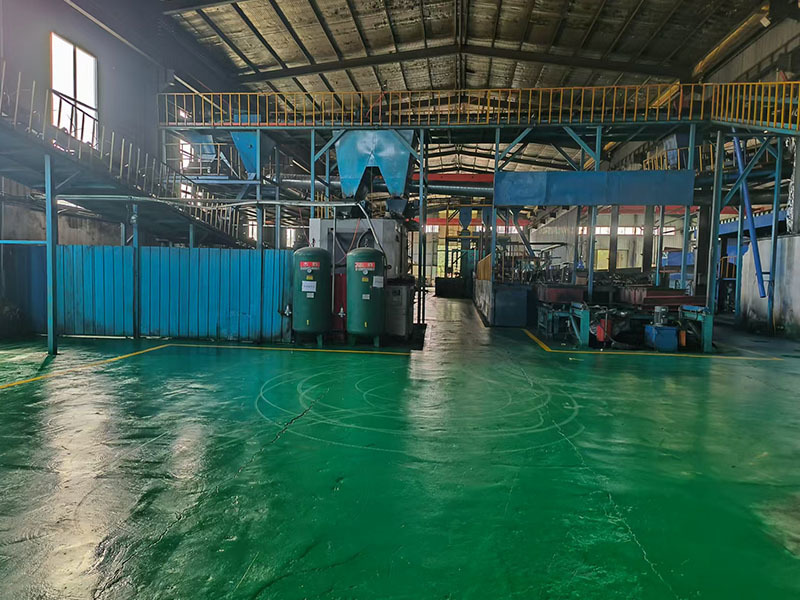
Factory Environment
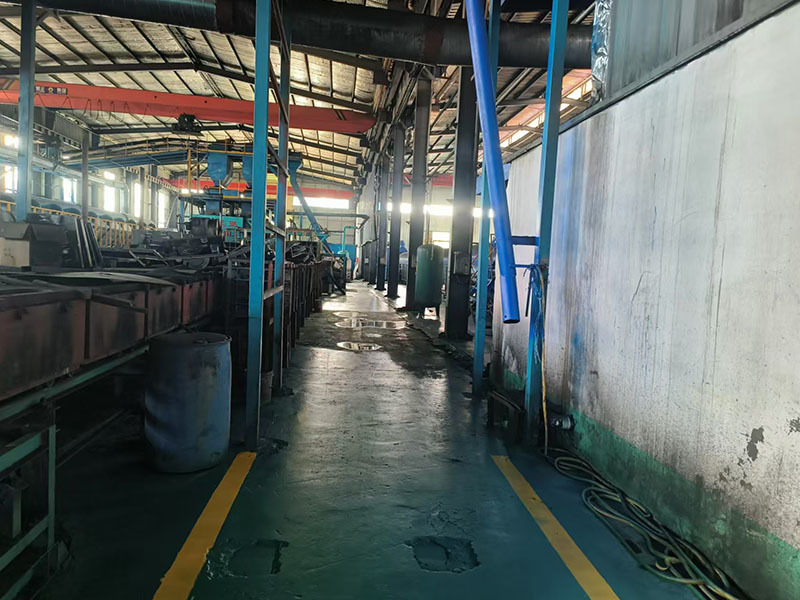
Factory Environment
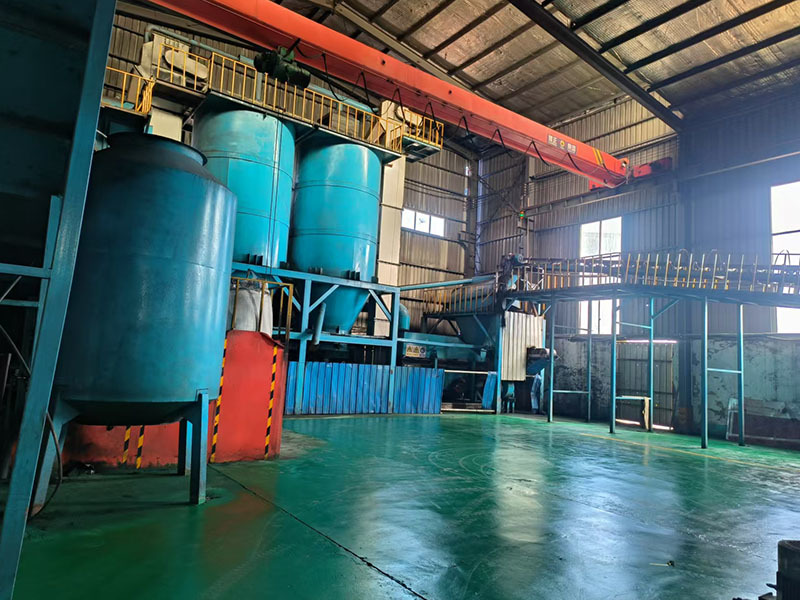
Neat factory building
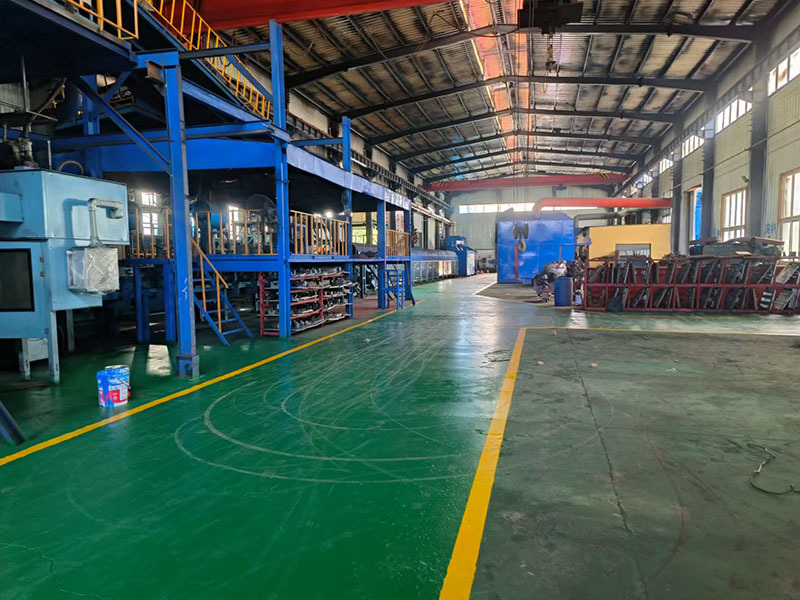
Neat factory building
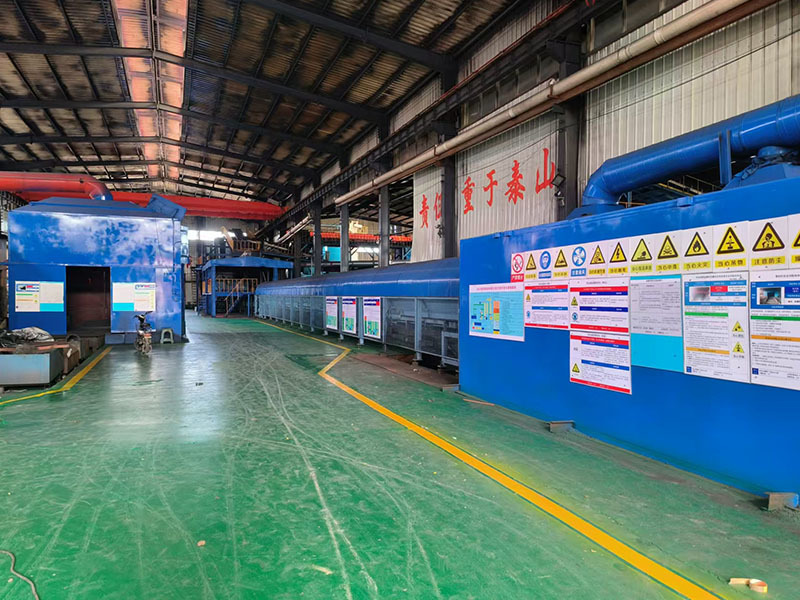
Production Equipment
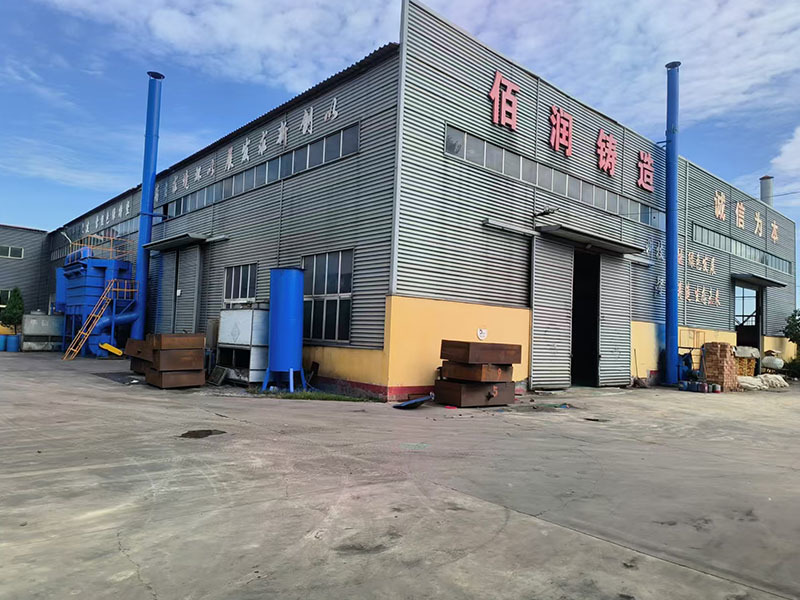
Workshop Exterior
Customized process Intimate service
Online consultation
Provide pattern
Factory Quotation
Down payment
processing production
outbound inspection
Delivery complete
After-sales service
Holding pressure relief valve
Contact
Classification
Related Products
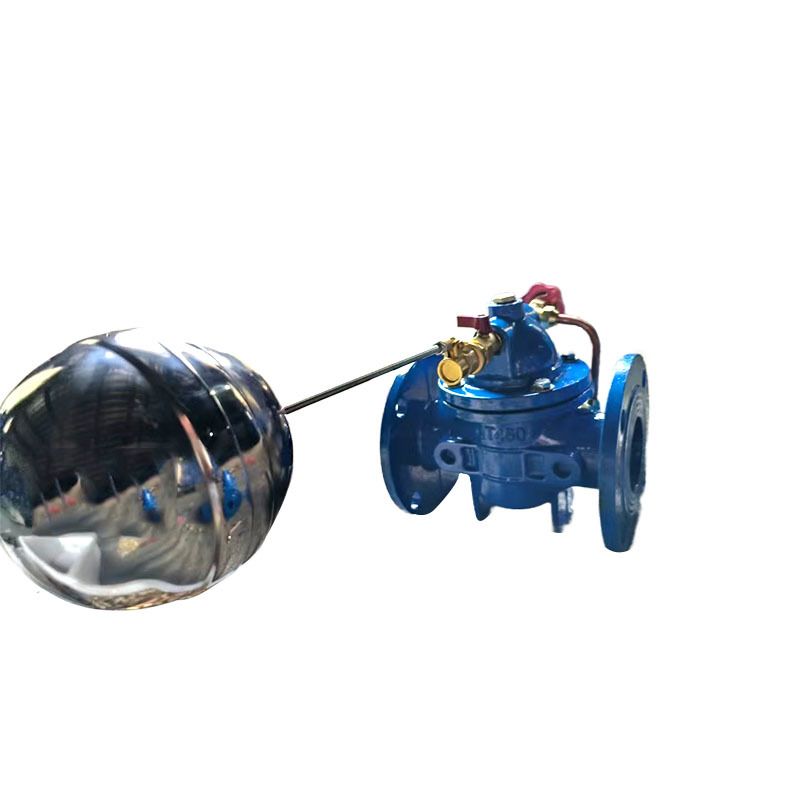
Remote control float valve 100x
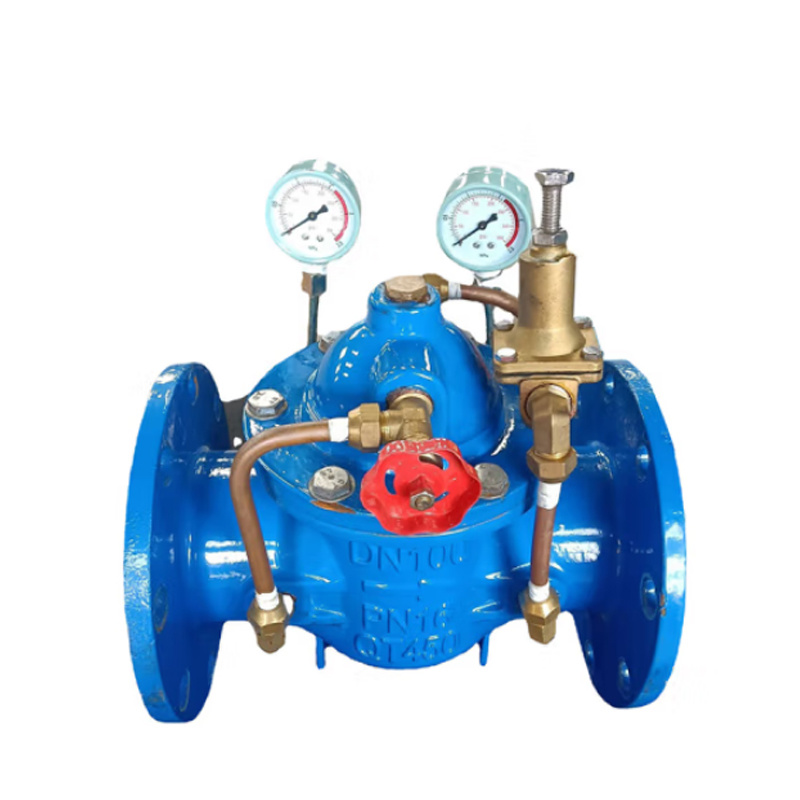
Pilot operated pressure reducing valve 200x
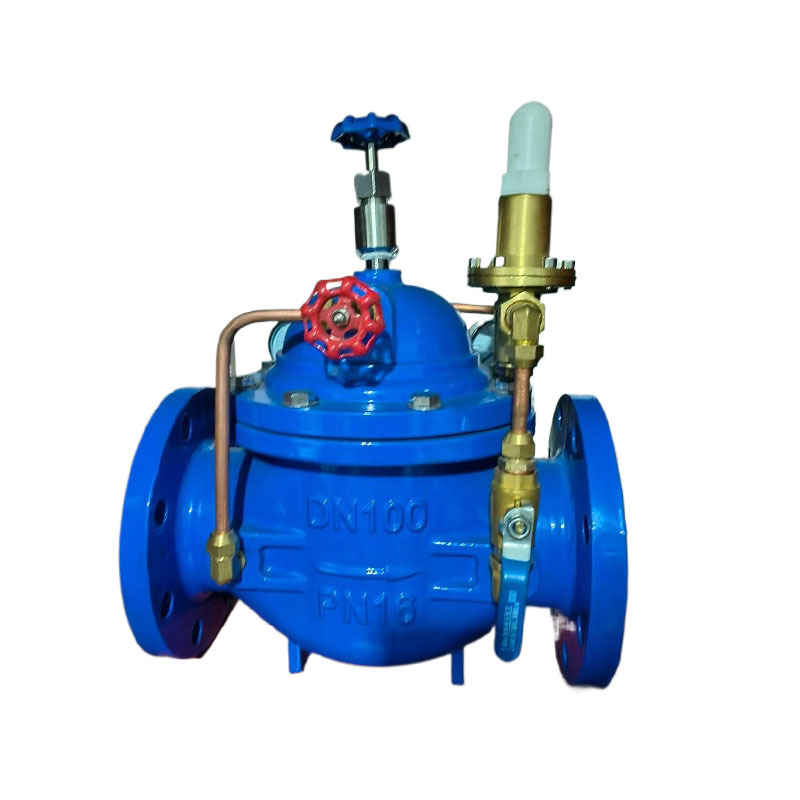
Slow closing anechoic check valve


Botou city Aozhong valve manufacturing Co., LTD
Tel/WeChat: +8615932707336
Message
We will contact you within one working day. Please pay attention to your email.