


Electric Control Valve
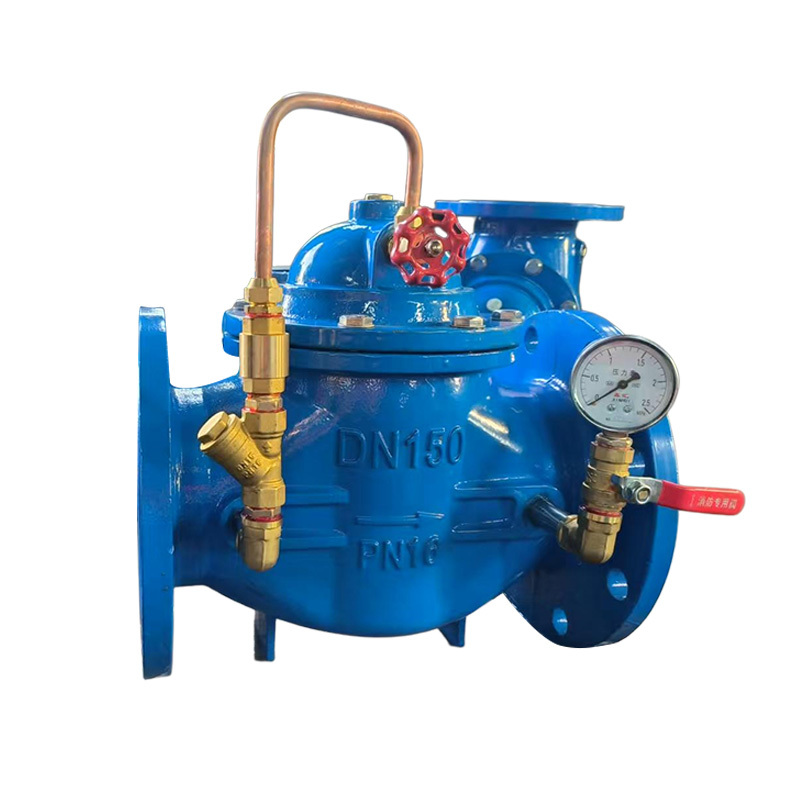
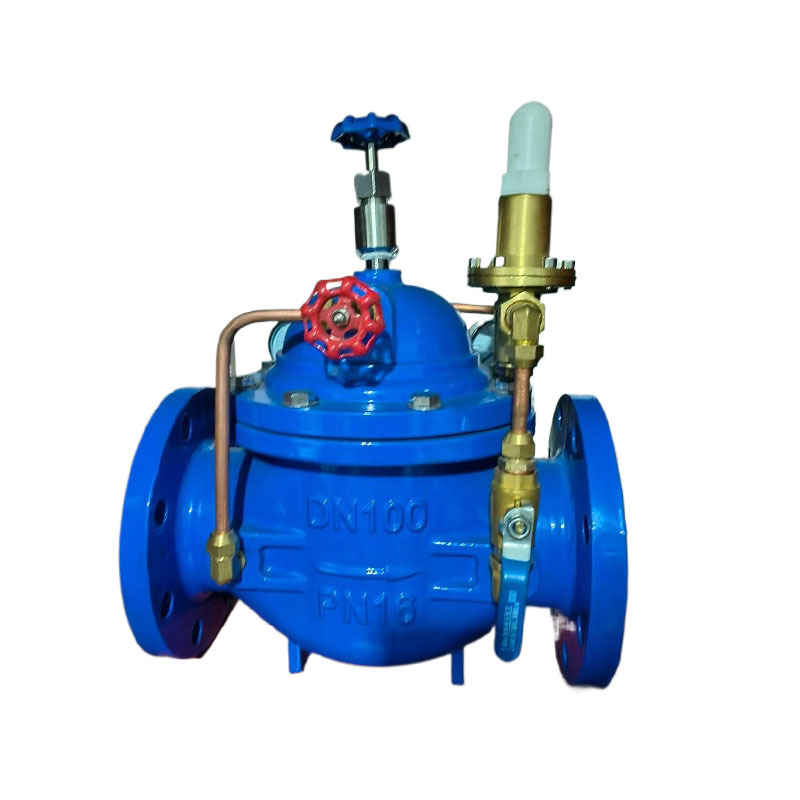
| Hydraulic control valve (small size) | Hydraulic control valve (medium) | ||||
| model | weight (kg) | length (mm) | model | weight (kg) | length (mm) |
| DN40 | 6.5 | 215 | DN50 | 7.5 | 215 |
| DN50 | 7 | 215 | DN65 | 10.5 | 230 |
| DN65 | 8 | 215 | DN80 | 12.5 | 250 |
| DN80 | 10.5 | 230 | DN100 | 17.5 | 285 |
| DN100 | 12.8 | 275 | DN125 | 17.7 | 304 |
| DN100 | 11 | 250 | DN150 | 28 | 360 |
| DN125 | 16.5 | 304 | DN200 | 52 | 430 |
| DN150 | 20.5 | 325 | DN100 | 19 | 285 |
| DN150 | 17 | 300 | DN150(25kg) | 30 | 360 |
| DN200 | 35 | 390 | DN200(25kg) | 57 | 430 |
| DN200 | 29 | 350 | |||
| Gully water valve | Rubber flap check valve | ||||
| model | weight (kg) | length (mm) | model | weight (kg) | length (mm) |
| DN50 | DN40 | 208 | 5.5 | ||
| DN65 | 4.5 | 214 | DN50 | 208 | 5.6 |
| DN80 | 6 | 250 | DN65 | 210 | 6.5 |
| DN100 | 8 | 260 | DN80 | 225 | 8.1 |
| DN125 | DN100 | 245 | 10 | ||
| DN150 | 12 | 300 | DN125 | 300 | 17 |
| DN150 | 13 | 330 | DN150 | 327 | 20.5 |
| DN200 | 22 | 400 | DN200 | 410 | 30 |
Electric control valves are essential components in various industrial applications, playing a crucial role in regulating the flow of liquids and gases. These valves are operated by electric actuators, which allow for precise control over the valve position and, consequently, the flow rate. In this article, we will explore the functionality, types, advantages, and applications of electric control valves, providing a comprehensive overview of their significance in modern automation systems.
Functionality of Electric Control Valves
Electric control valves operate by converting electrical signals into mechanical movement. The core components of an electric control valve include the valve body, the actuator, and the positioner. The valve body is responsible for controlling the flow, while the actuator, driven by an electric motor, moves the valve to the desired position based on the input signal it receives. The positioner ensures that the valve reaches and maintains the specified position by adjusting the actuator's movement.
When an electric control valve receives a signal from a control system, the actuator responds by moving the valve stem. Depending on the signal's nature, the valve can be opened, closed, or modulated to achieve the desired flow rate. This precise control is essential in processes where maintaining specific flow conditions is critical, such as in chemical processing, water treatment, and HVAC systems.
Types of Electric Control Valves
Electric control valves come in various types, each designed to suit specific applications. The most common types include:
1. Globe Valves: These valves are widely used in control applications due to their excellent throttling capabilities. The flow path in a globe valve is linear, allowing for smooth and precise flow regulation.
2. Ball Valves: Ball valves are known for their quick opening and closing capabilities. While they are primarily used for on/off applications, they can also be adapted for throttling in some cases.
3. Butterfly Valves: These valves are suitable for large flow applications and are often used in water and wastewater treatment. They are lightweight and require less space compared to other valve types.
4. Gate Valves: Typically used in on/off applications, gate valves provide minimal resistance to flow when fully opened. However, they are not ideal for throttling due to their design.
5. Pinch Valves: These valves are particularly useful for handling slurries and other fluids with solid content. The flow is controlled by pinching the valve body, which effectively shuts off the flow.
Advantages of Electric Control Valves
Electric control valves offer several advantages over traditional pneumatic or hydraulic valves. Some of the key benefits include:
1. Precision Control: Electric control valves provide precise flow regulation, allowing for accurate control of process variables such as pressure, temperature, and flow rate.
2. Reduced Maintenance: With fewer moving parts and no need for air compressors or hydraulic systems, electric control valves typically require less maintenance, leading to lower operational costs.
3. Energy Efficiency: Electric actuators are generally more energy-efficient than pneumatic systems, reducing the overall energy consumption of the control system.
4. Integration with Automation Systems: Electric control valves can easily integrate with modern automation systems, allowing for remote monitoring and control. This capability enhances process efficiency and reduces the need for manual intervention.
5. Versatility: These valves can be used in a wide range of applications and industries, including oil and gas, pharmaceuticals, food and beverage, and water treatment.
Applications of Electric Control Valves
Electric control valves are utilized in various industries and applications, including:
1. Chemical Processing: In chemical manufacturing, precise flow control is essential for maintaining reaction conditions. Electric control valves help regulate the flow of reactants and products, ensuring optimal process performance.
2. Water Treatment: Electric control valves play a critical role in water treatment plants, controlling the flow of chemicals used for disinfection and filtration. They help maintain water quality and ensure compliance with regulatory standards.
3. HVAC Systems: In heating, ventilation, and air conditioning systems, electric control valves regulate the flow of water or air to maintain desired temperature and humidity levels, contributing to energy efficiency and occupant comfort.
4. Oil and Gas: In the oil and gas industry, electric control valves are used for flow control in pipelines, refineries, and processing plants. They help manage the flow of crude oil, natural gas, and refined products.
5. Food and Beverage: In the food and beverage industry, electric control valves are essential for controlling the flow of liquids during processing and packaging, ensuring product quality and safety.
Conclusion
Electric control valves are integral components in modern industrial processes, providing precise flow regulation and contributing to improved efficiency and safety. Their ability to integrate with automation systems and reduce maintenance requirements makes them a preferred choice in various applications. As industries continue to evolve and embrace automation, the significance of electric control valves will only grow, paving the way for enhanced process control and operational excellence. Understanding the functionality, types, advantages, and applications of these valves is essential for professionals in the field, ensuring they can make informed decisions when selecting and implementing control systems.
Tag:
| Details
Botou Aozhong Valve Manufacturing Co., Ltd.
Botou Aozhong Valve Manufacturing Co., Ltd. focuses on the production of valves and filters, and its products are widely used in housing construction and farmland water conservancy and other fields.
Industry application
Botou Aozhong Valve Manufacturing Co., Ltd. products are widely used in housing construction and farmland water conservancy and other fields. In house construction, valves and filters are used to control water flow, regulate pressure, and protect pipes and equipment; In farmland water conservancy, it is used in irrigation systems, drainage systems and water resources management to improve the efficiency and sustainability of agricultural production.
Factory direct supply quality trust
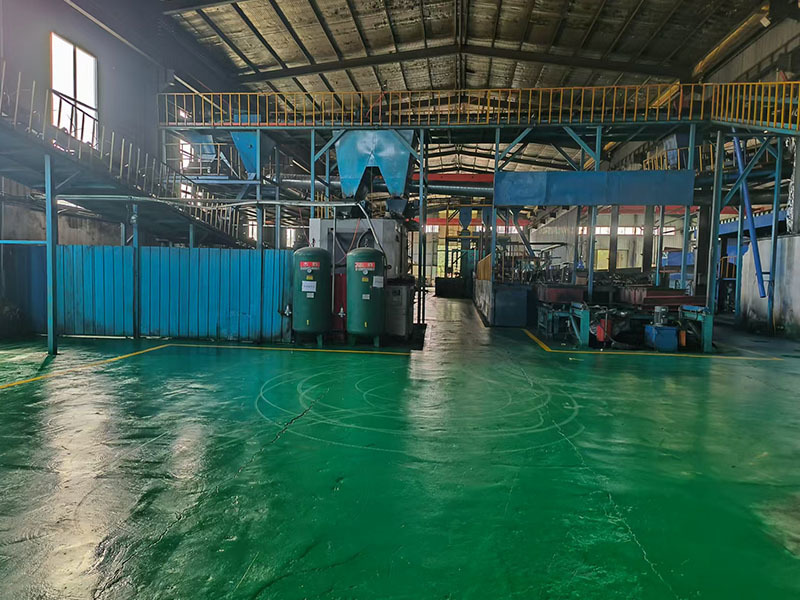
Factory Environment
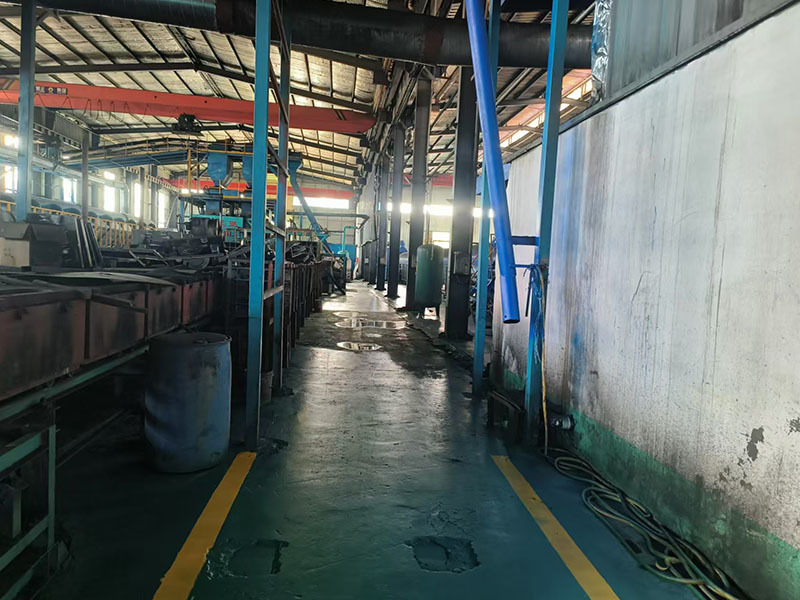
Factory Environment
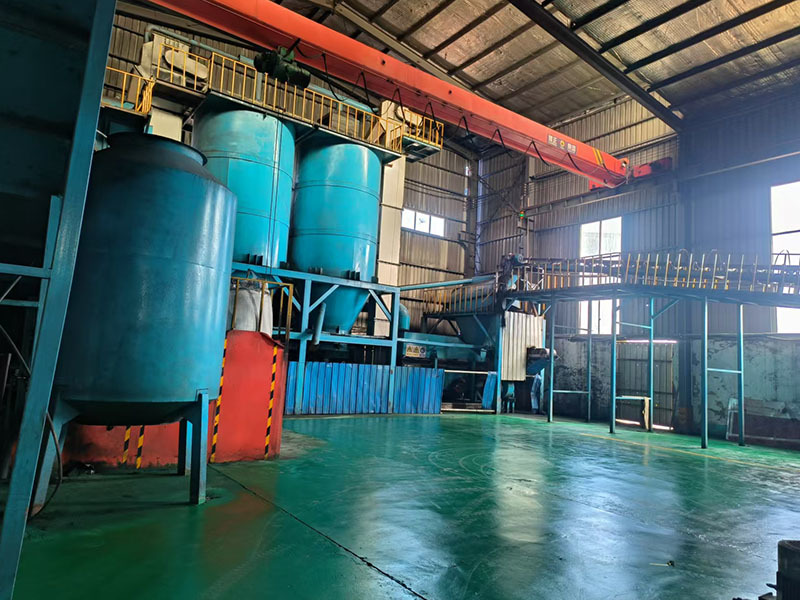
Neat factory building
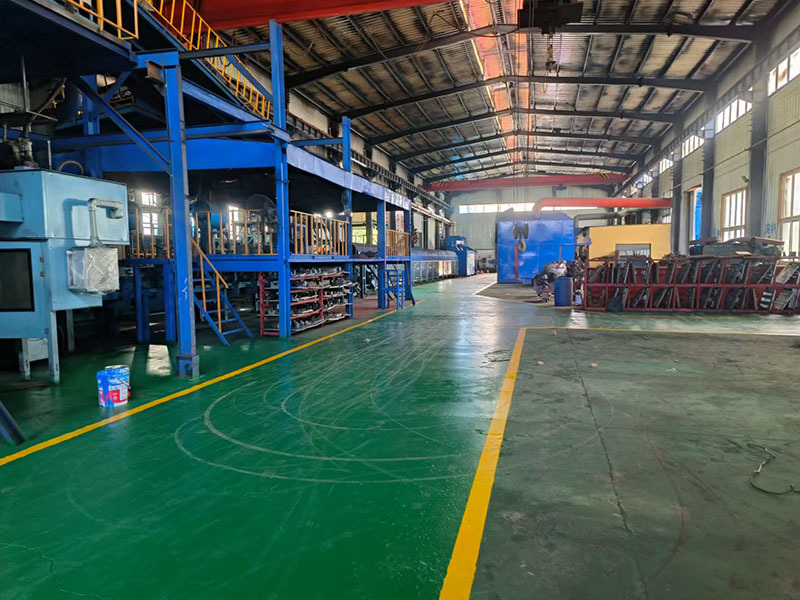
Neat factory building
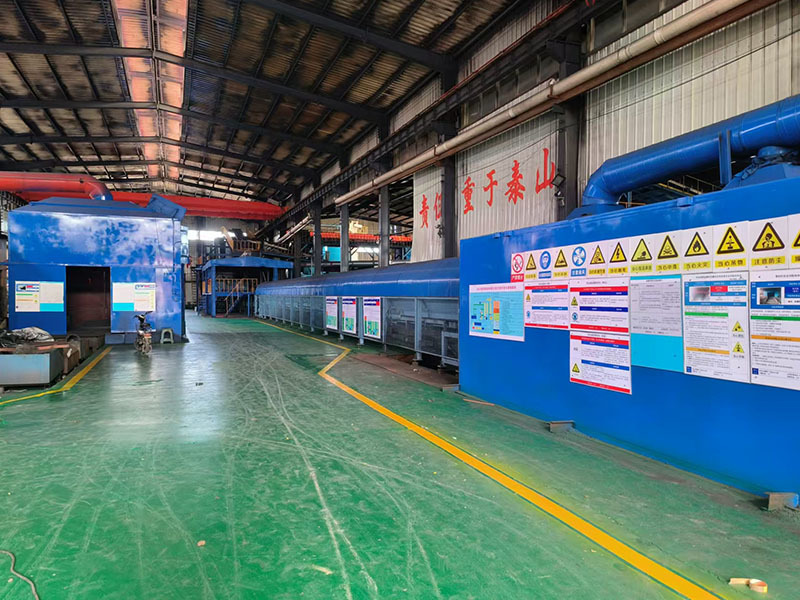
Production Equipment
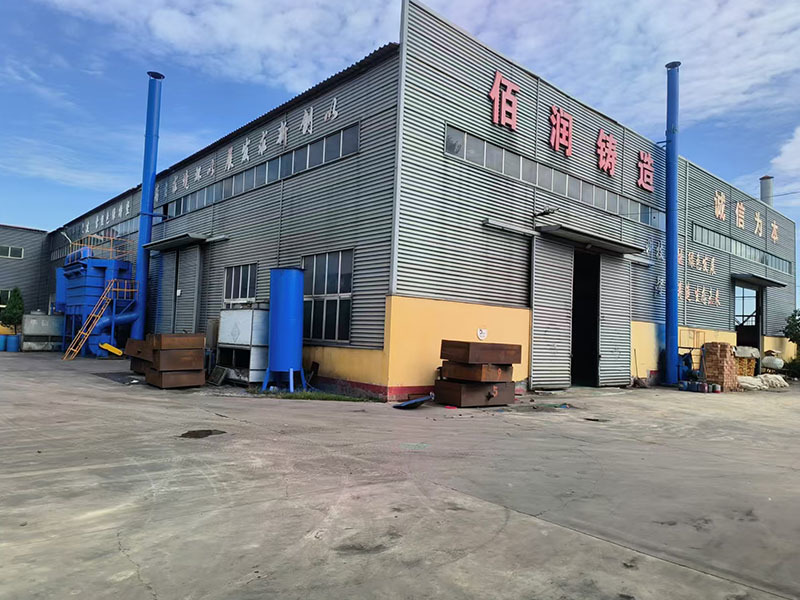
Workshop Exterior
Customized process Intimate service
Online consultation
Provide pattern
Factory Quotation
Down payment
processing production
outbound inspection
Delivery complete
After-sales service
Electric control valve
Contact
Classification
Related Products
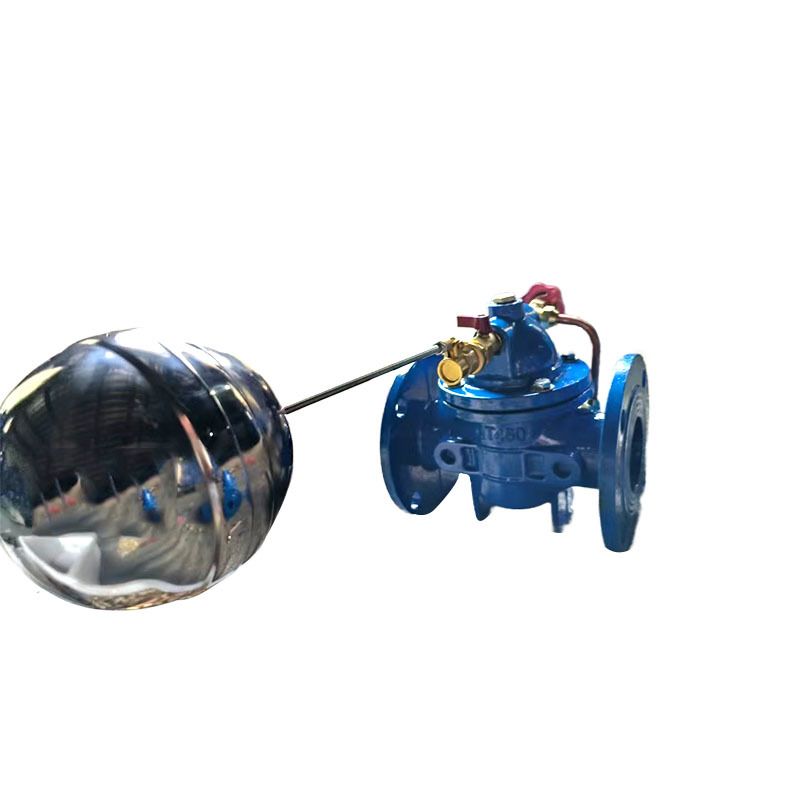
Remote control float valve 100x
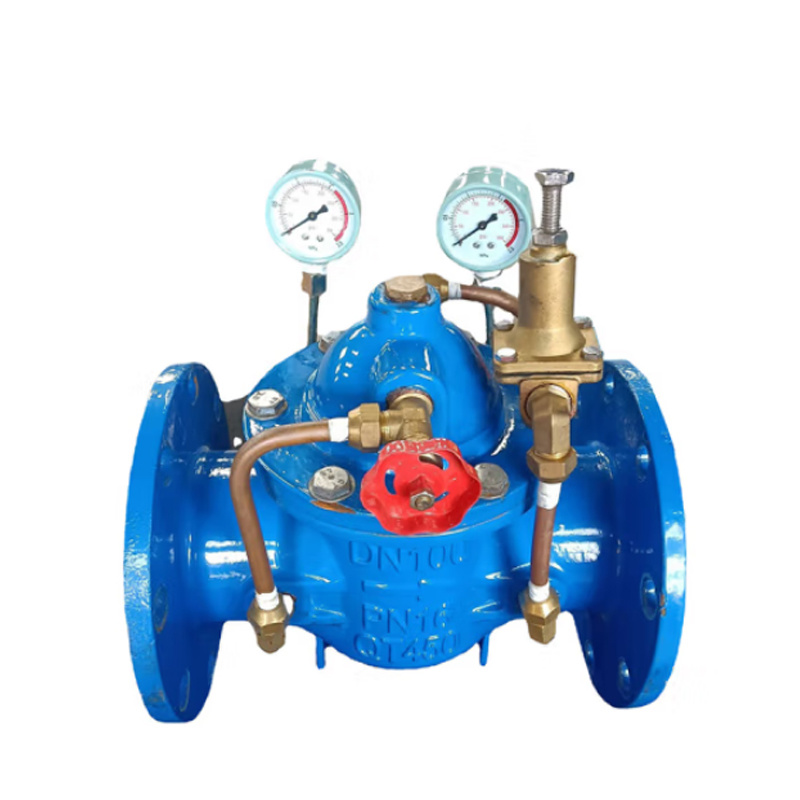
Pilot operated pressure reducing valve 200x
Slow closing anechoic check valve


Botou city Aozhong valve manufacturing Co., LTD
Tel/WeChat: +8615932707336
Message
We will contact you within one working day. Please pay attention to your email.