


Valve Filter
| Hydraulic control valve (small size) | Hydraulic control valve (medium) | ||||
| model | weight (kg) | length (mm) | model | weight (kg) | length (mm) |
| DN40 | 6.5 | 215 | DN50 | 7.5 | 215 |
| DN50 | 7 | 215 | DN65 | 10.5 | 230 |
| DN65 | 8 | 215 | DN80 | 12.5 | 250 |
| DN80 | 10.5 | 230 | DN100 | 17.5 | 285 |
| DN100 | 12.8 | 275 | DN125 | 17.7 | 304 |
| DN100 | 11 | 250 | DN150 | 28 | 360 |
| DN125 | 16.5 | 304 | DN200 | 52 | 430 |
| DN150 | 20.5 | 325 | DN100 | 19 | 285 |
| DN150 | 17 | 300 | DN150(25kg) | 30 | 360 |
| DN200 | 35 | 390 | DN200(25kg) | 57 | 430 |
| DN200 | 29 | 350 | |||
| Gully water valve | Rubber flap check valve | ||||
| model | weight (kg) | length (mm) | model | weight (kg) | length (mm) |
| DN50 | DN40 | 208 | 5.5 | ||
| DN65 | 4.5 | 214 | DN50 | 208 | 5.6 |
| DN80 | 6 | 250 | DN65 | 210 | 6.5 |
| DN100 | 8 | 260 | DN80 | 225 | 8.1 |
| DN125 | DN100 | 245 | 10 | ||
| DN150 | 12 | 300 | DN125 | 300 | 17 |
| DN150 | 13 | 330 | DN150 | 327 | 20.5 |
| DN200 | 22 | 400 | DN200 | 410 | 30 |
In the realm of fluid dynamics and control systems, valve filters play a crucial role in ensuring the efficient operation of various machinery and processes. These components serve not only to regulate flow but also to protect sensitive equipment from impurities and contaminants. This article delves into the design, function, applications, and maintenance of valve filters, providing a comprehensive overview for those interested in this essential technology.
The primary function of a valve filter is to remove unwanted particles from fluids before they enter critical systems. Contaminants such as dirt, rust, and other debris can cause significant damage to pumps, valves, and other mechanical components. By incorporating a filter within a valve assembly, operators can ensure that only clean fluids pass through, thereby prolonging the life of the equipment and reducing maintenance costs.
There are several types of valve filters, each designed for specific applications and fluid characteristics. The most common types include basket filters, Y-strainers, and inline filters. Basket filters are designed with a large surface area to capture particles while allowing for easy cleaning and maintenance. Y-strainers, on the other hand, are shaped like the letter "Y" and are particularly effective in systems where space is limited. Inline filters are installed directly into the piping and are often used in smaller applications.
The selection of a valve filter depends on various factors, including the type of fluid being filtered, the size and type of particles to be removed, and the flow rate requirements. It is essential to choose a filter that can handle the specific conditions of the application to ensure optimal performance. For example, in a hydraulic system, the filter must be able to withstand high pressures while effectively capturing fine particles.
In addition to their filtering capabilities, valve filters also play a role in maintaining the pressure and flow characteristics of a system. A clogged filter can lead to increased pressure drops, which may affect the overall performance of the system. Regular monitoring and maintenance of valve filters are essential to prevent such issues. Operators should establish a routine inspection schedule to check for signs of clogging or wear and replace filters as necessary.
The installation of valve filters is a critical step in ensuring their effectiveness. Proper placement within the system can significantly impact their performance. For instance, filters should be installed upstream of sensitive components such as pumps and valves to provide maximum protection. Additionally, ensuring that the filter is easily accessible for maintenance is vital, as regular cleaning and replacement are necessary to maintain optimal flow rates.
Valve filters are widely used across various industries, including oil and gas, water treatment, food and beverage, and pharmaceuticals. In the oil and gas industry, for example, filters are essential for removing contaminants from crude oil before it is processed. In water treatment facilities, valve filters help ensure that clean water is delivered to consumers by removing harmful particles and pathogens.
In the food and beverage industry, maintaining product quality is paramount. Valve filters are used to ensure that no foreign particles enter the production process, thus safeguarding both the equipment and the end product. Similarly, in pharmaceuticals, strict regulations require that all equipment be free of contaminants, making valve filters a vital component of the production process.
Despite their importance, valve filters can sometimes be overlooked in system design and maintenance plans. Operators must recognize the value of these components and prioritize their upkeep. Investing in high-quality filters and establishing a robust maintenance routine can lead to significant cost savings in the long run by reducing equipment failures and downtime.
In conclusion, valve filters are an essential component in various fluid systems, providing critical protection against contaminants and ensuring the efficient operation of machinery. With various types available, it is important to select the right filter for the specific application and to maintain it properly to avoid performance issues. As industries continue to evolve and demand higher standards of quality and efficiency, the role of valve filters will only become more significant. By understanding their function and importance, operators can enhance the reliability and longevity of their systems, ultimately leading to better performance and reduced operational costs.
Tag:
| Details
Botou Aozhong Valve Manufacturing Co., Ltd.
Botou Aozhong Valve Manufacturing Co., Ltd. focuses on the production of valves and filters, and its products are widely used in housing construction and farmland water conservancy and other fields.
Industry application
Botou Aozhong Valve Manufacturing Co., Ltd. products are widely used in housing construction and farmland water conservancy and other fields. In house construction, valves and filters are used to control water flow, regulate pressure, and protect pipes and equipment; In farmland water conservancy, it is used in irrigation systems, drainage systems and water resources management to improve the efficiency and sustainability of agricultural production.
Factory direct supply quality trust
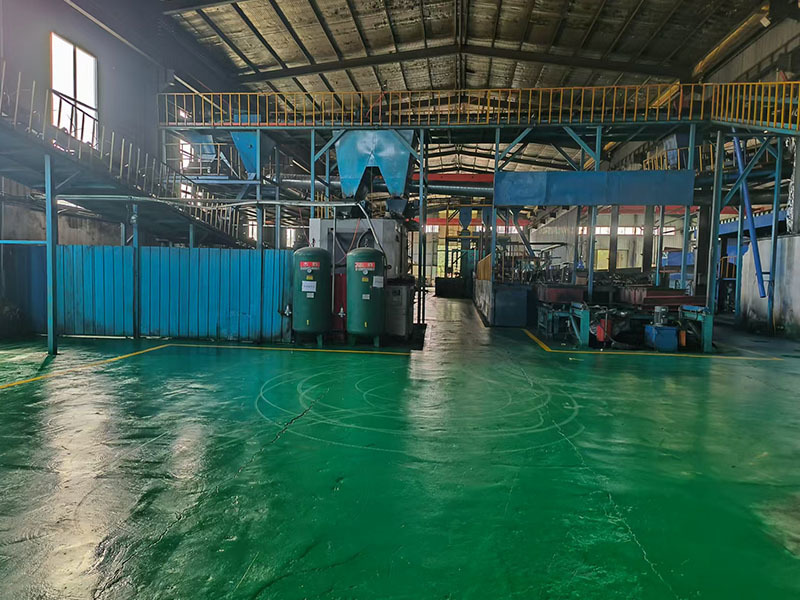
Factory Environment
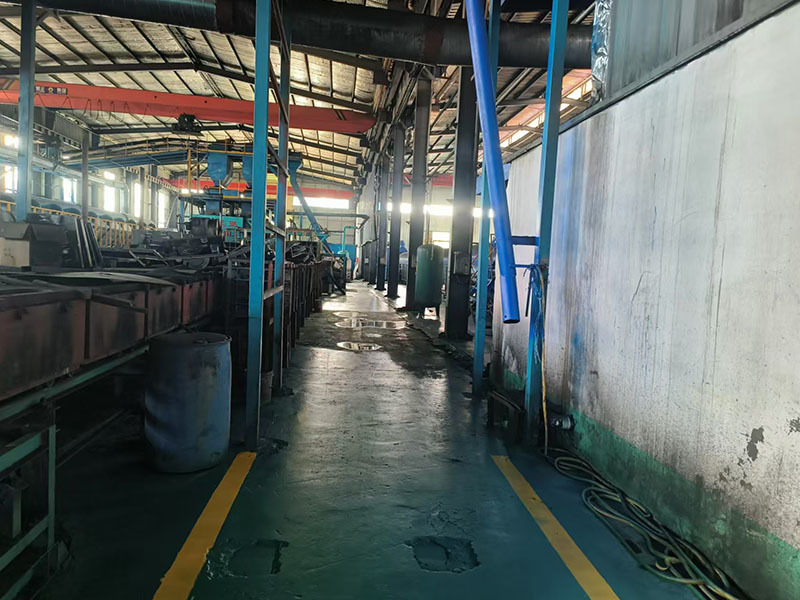
Factory Environment
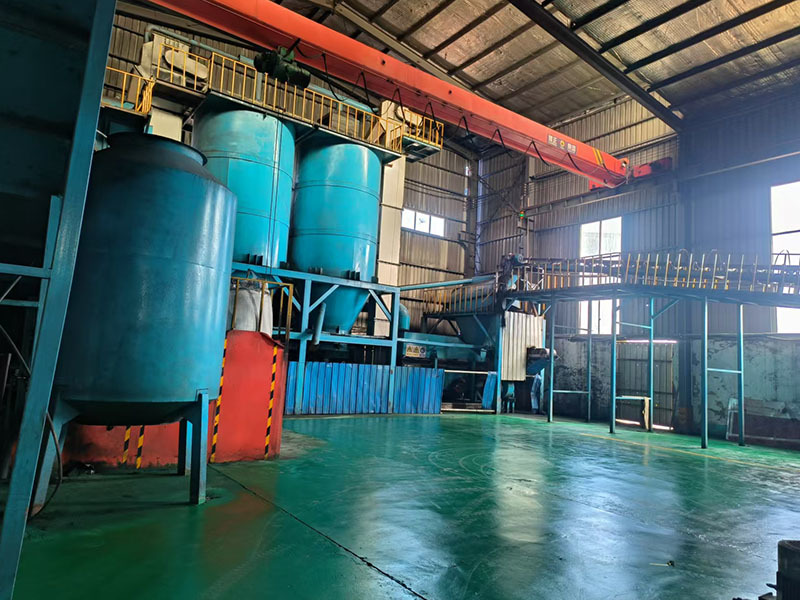
Neat factory building
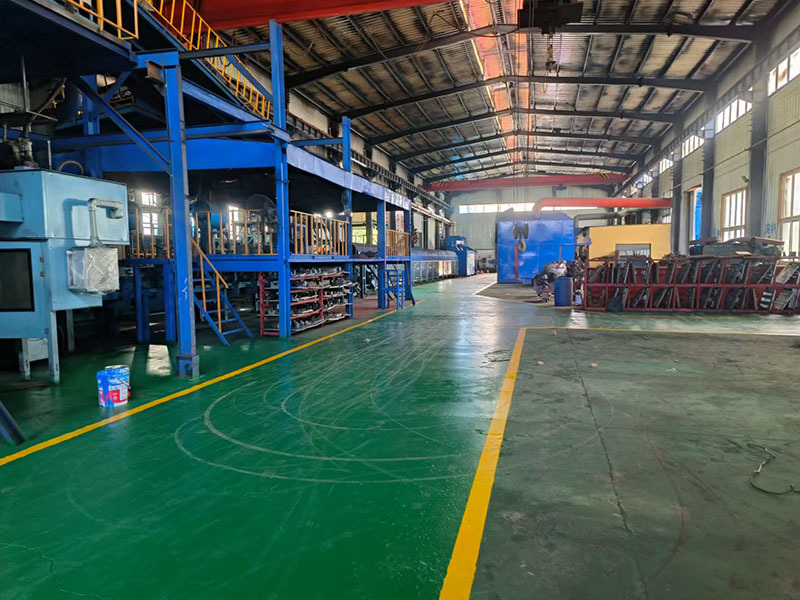
Neat factory building
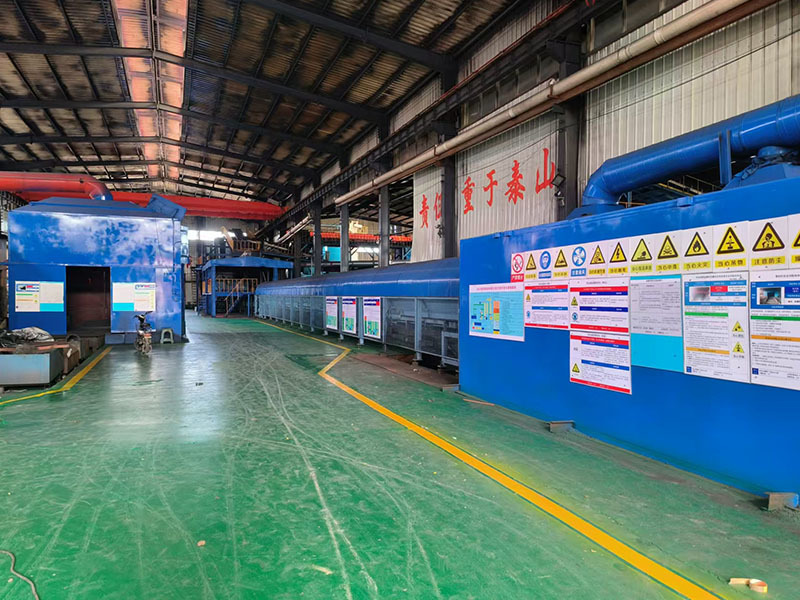
Production Equipment
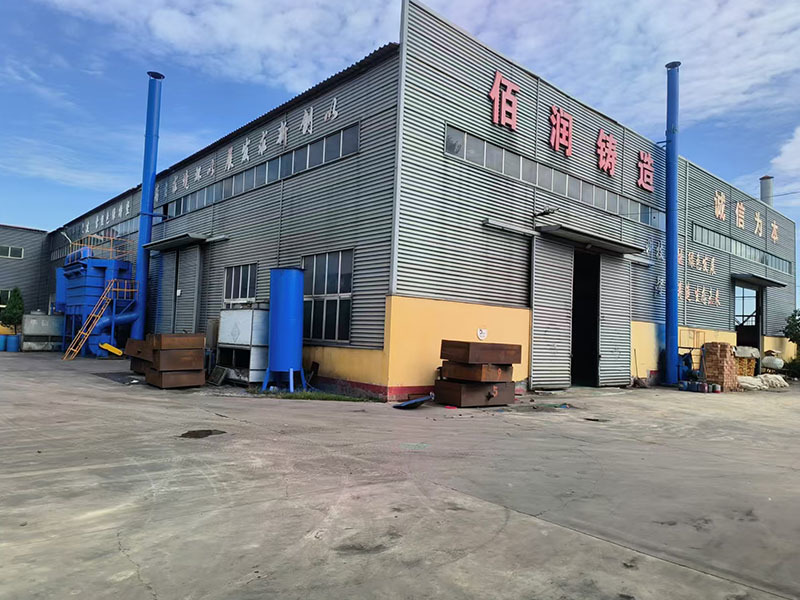
Workshop Exterior
Customized process Intimate service
Online consultation
Provide pattern
Factory Quotation
Down payment
processing production
outbound inspection
Delivery complete
After-sales service
Related Products
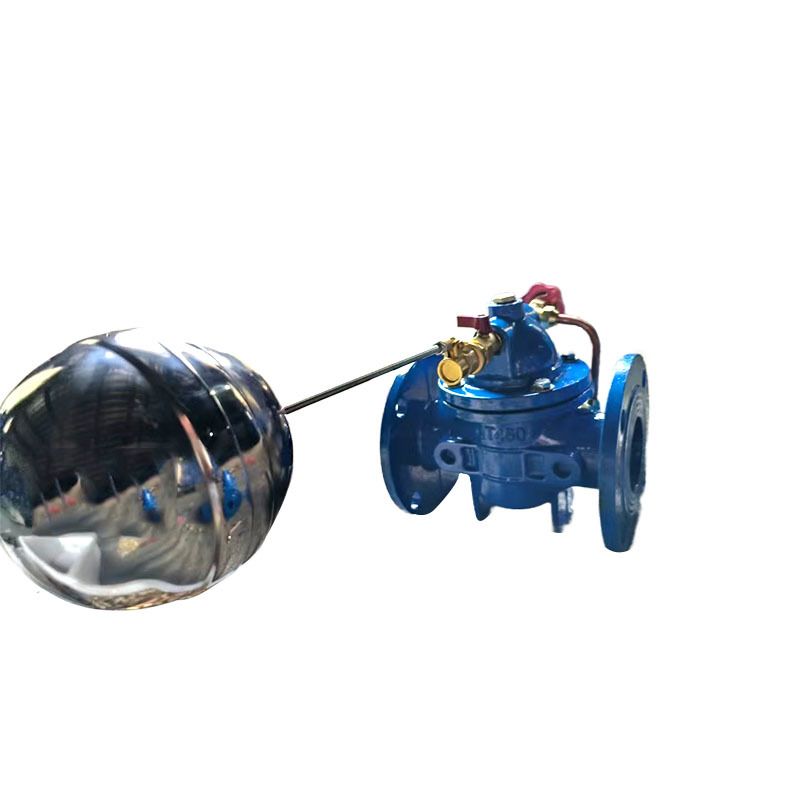
Remote control float valve 100x
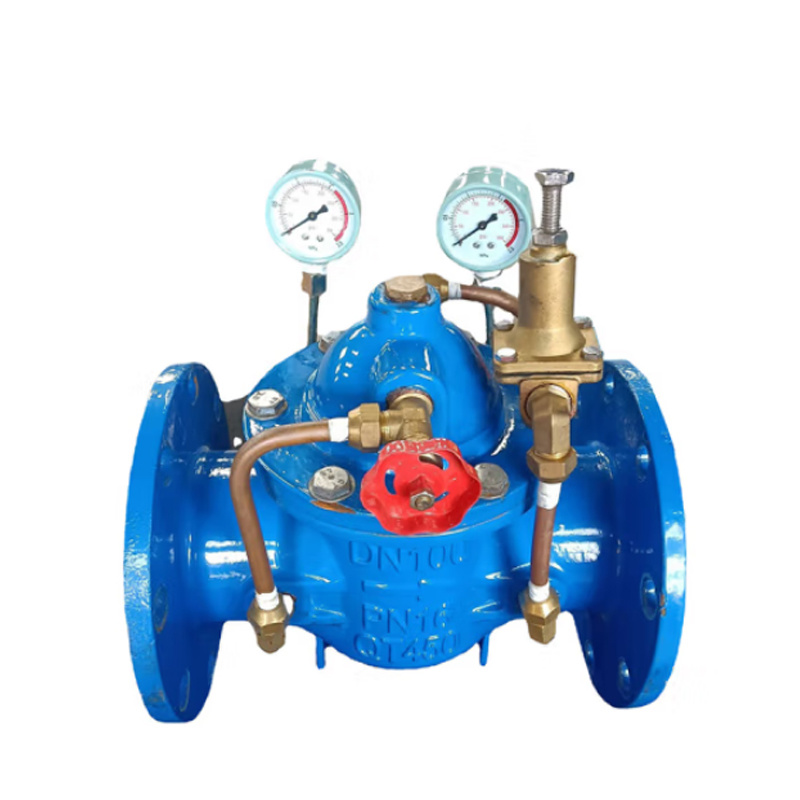
Pilot operated pressure reducing valve 200x
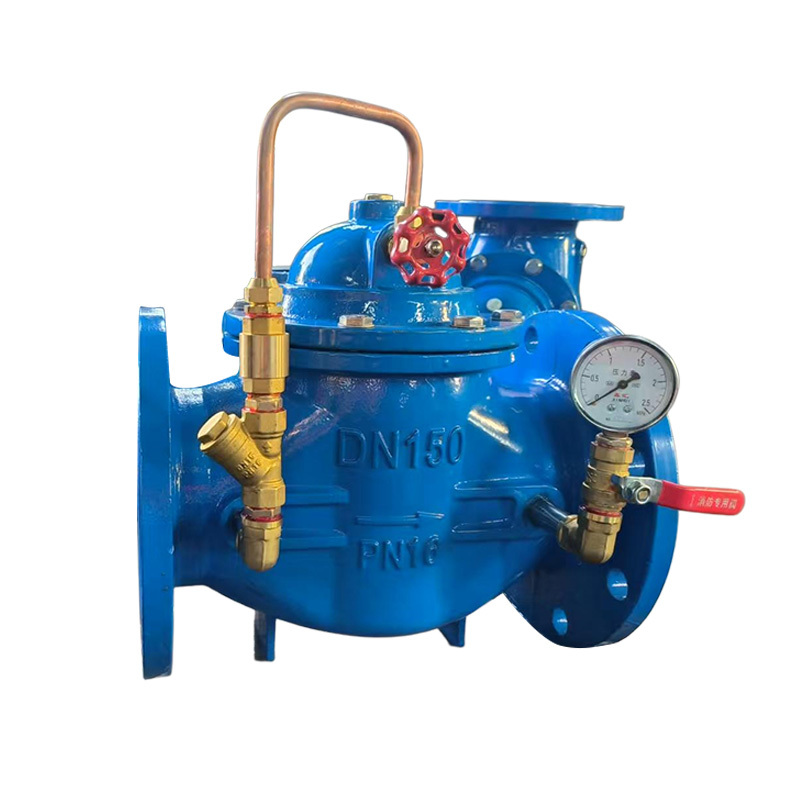
Slow closing anechoic check valve
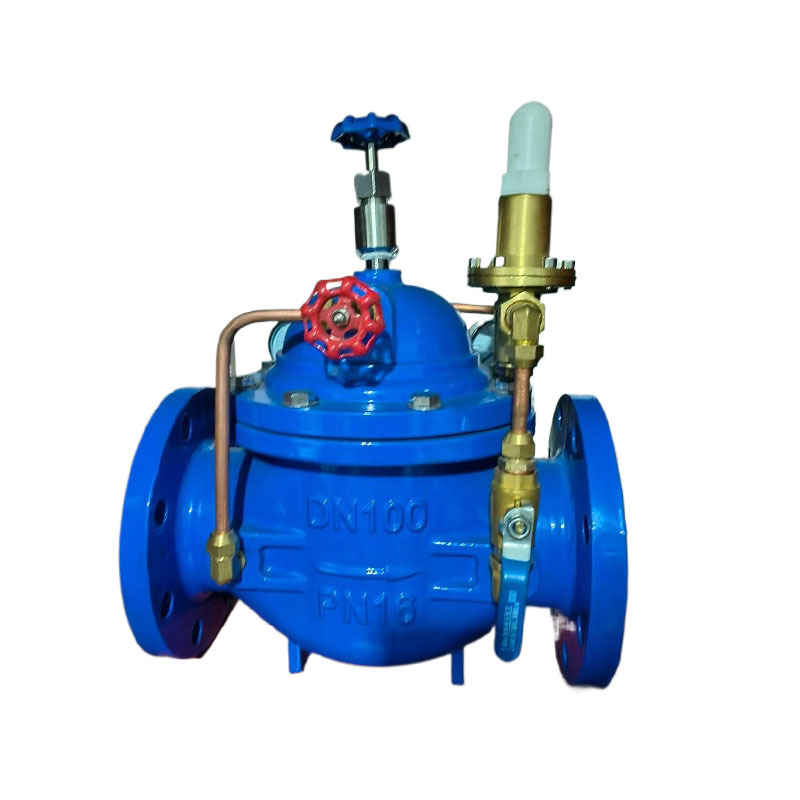


Botou city Aozhong valve manufacturing Co., LTD
Tel/WeChat: +8615932707336
Message
We will contact you within one working day. Please pay attention to your email.